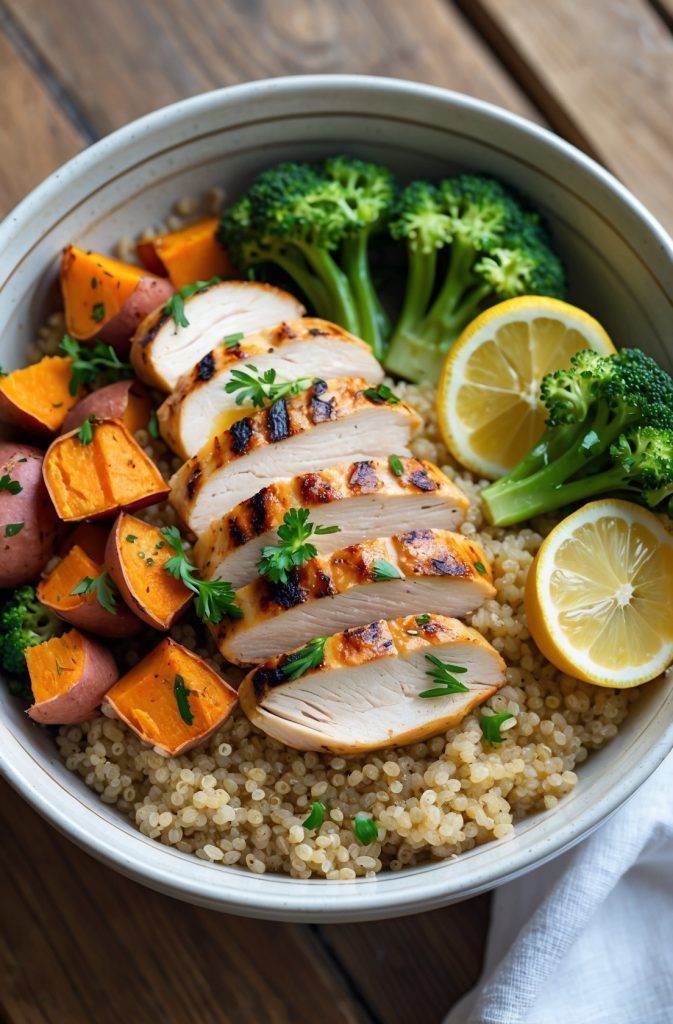
High Protein Meals Without Supplements
Protein is an essential nutrient that plays a major role in building muscles, repairing tissues,
supporting metabolism, and maintaining overall health. Many people believe that protein supplements
are necessary to meet daily protein needs, but this is not true. A balanced diet made from natural
foods can easily provide enough protein for most people.
This article focuses on high protein meals without supplements. These meals are prepared using
everyday ingredients that are affordable, accessible, and nutritious. Whether your goal is muscle
building, weight management, or a healthier lifestyle, natural protein-rich meals can help you
achieve it safely and sustainably.
Why Choose Natural Protein Sources?
Natural protein sources offer more than just protein. They also provide essential vitamins,
minerals, healthy fats, and fiber. Unlike supplements, whole foods support digestion, improve
nutrient absorption, and promote long-term health.
Relying on food instead of supplements reduces the risk of side effects and encourages better
eating habits. Natural protein sources are also more satisfying and help control hunger.
Daily Protein Needs
Protein requirements vary based on age, activity level, and health goals. On average, an adult
needs about 0.8 to 1 gram of protein per kilogram of body weight. Active individuals may need more,
which can still be achieved through regular meals without supplements.
Spreading protein intake throughout the day helps the body use it more effectively.
Best Natural Protein Sources
Animal-Based Protein
- Chicken
- Eggs
- Fish
- Milk and yogurt
- Lean beef
Plant-Based Protein
- Lentils
- Chickpeas
- Beans
- Peas
- Nuts and seeds
High Protein Meal Ideas Without Supplements
1. Egg and Vegetable Breakfast
Eggs are one of the best natural protein sources. They are affordable, versatile, and easy to prepare.
Prepare an omelette or scrambled eggs with onions, tomatoes, spinach, and bell peppers using minimal
oil. This meal provides high-quality protein and keeps you full for hours.
2. Lentil Daal with Whole Wheat Roti
Lentils are rich in protein and fiber, making them ideal for a balanced meal.
Cook lentil daal with mild spices and minimal oil. Pair it with whole wheat roti or a bowl of salad
to increase protein intake naturally.
3. Grilled Chicken with Vegetables
Chicken breast is lean, high in protein, and easy to digest.
Grill or pan-cook chicken with light seasoning and serve it with steamed or sautéed vegetables.
This meal is ideal for muscle recovery and weight management.
4. Chickpea and Yogurt Bowl
Chickpeas combined with yogurt create a protein-rich and filling meal.
Mix boiled chickpeas with plain yogurt, cucumber, onion, and spices.
This dish works well as lunch or a light dinner.
5. Fish Curry with Salad
Fish provides high-quality protein along with healthy fats.
Prepare a light fish curry using tomatoes and simple spices. Serve it with salad instead of rice
for a high-protein, low-calorie meal.
6. Beans and Vegetable Stir-Fry
Beans are an excellent plant-based protein source.
Stir-fry boiled beans with vegetables such as cabbage, carrots, and bell peppers using minimal oil.
This meal is filling and nutritious.
7. Yogurt and Nut Snack Meal
Dairy products provide complete protein and support bone health.
Combine plain yogurt with a small handful of nuts and seeds.
This simple meal or snack boosts protein intake naturally.
Pakistani-Style High Protein Meals
Traditional Pakistani foods can easily meet protein needs.
Daal, chana, rajma, chicken curry, kebabs, and egg dishes are naturally high in protein.
Reducing oil and increasing portion control can make these meals healthier without losing flavor.
Tips to Increase Protein Intake Naturally
- Include protein in every meal
- Choose whole foods over processed items
- Use eggs and lentils regularly
- Balance animal and plant protein
- Avoid relying on supplements unnecessarily
Common Myths About Protein
A common myth is that supplements are required to build muscle or stay healthy.
In reality, most people can meet their protein needs through balanced meals.
Another misconception is that plant protein is inferior.
When combined properly, plant-based foods provide sufficient protein and nutrients.
Why These Meals Work
These high protein meals focus on whole foods that provide complete nutrition.
They support muscle health, control hunger, and improve energy levels without stressing the body.
By avoiding supplements and relying on real food, these meals promote long-term wellness
and sustainable eating habits.
Conclusion
High protein meals do not require supplements. With proper planning and food choices,
you can meet daily protein needs using natural ingredients. Eggs, lentils, chicken, fish,
dairy, and legumes provide ample protein while offering additional health benefits.
Choosing natural protein sources supports digestion, balance, and overall well-being.
By making small, consistent changes to your diet, you can build strength and health naturally
without dependence on supplements.